What Is a Friction Stir Welding Tool?
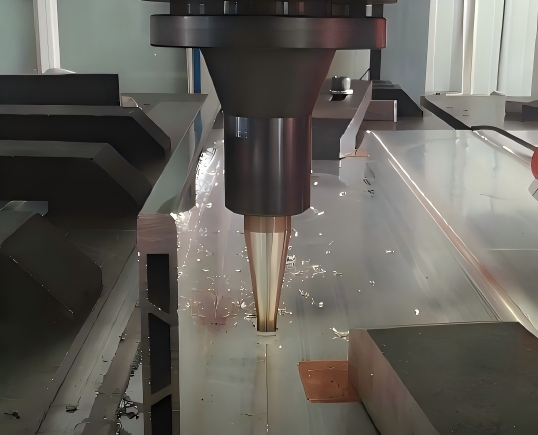
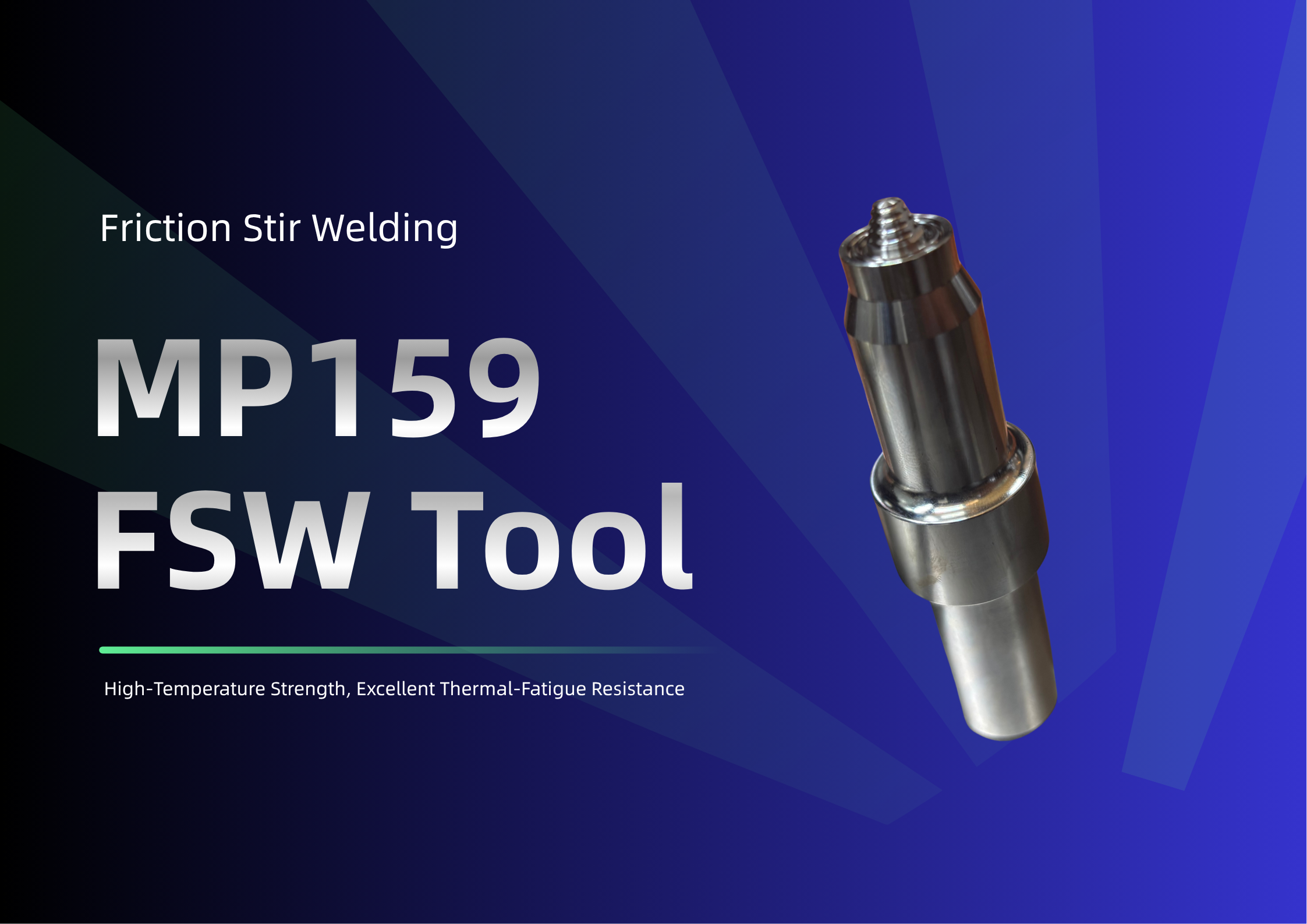
The Friction Stir Welding (FSW) Tool, also known as the stir welding head, is the most critical consumable component in the Friction Stir Welding process. It is widely recognized as the "heart" of FSW technology because the quality, efficiency, and reliability of every weld depend heavily on its design and material.
Unlike conventional fusion welding processes, Friction Stir Welding (FSW) is a solid-state joining technology. During welding, the material never melts. Instead, the base materials are softened through frictional heat and forged together under pressure.
One of the greatest advantages of FSW is its simplicity in consumables. The process requires no filler wire, welding rod, flux, or shielding gas. The only consumable component is the FSW tool itself.
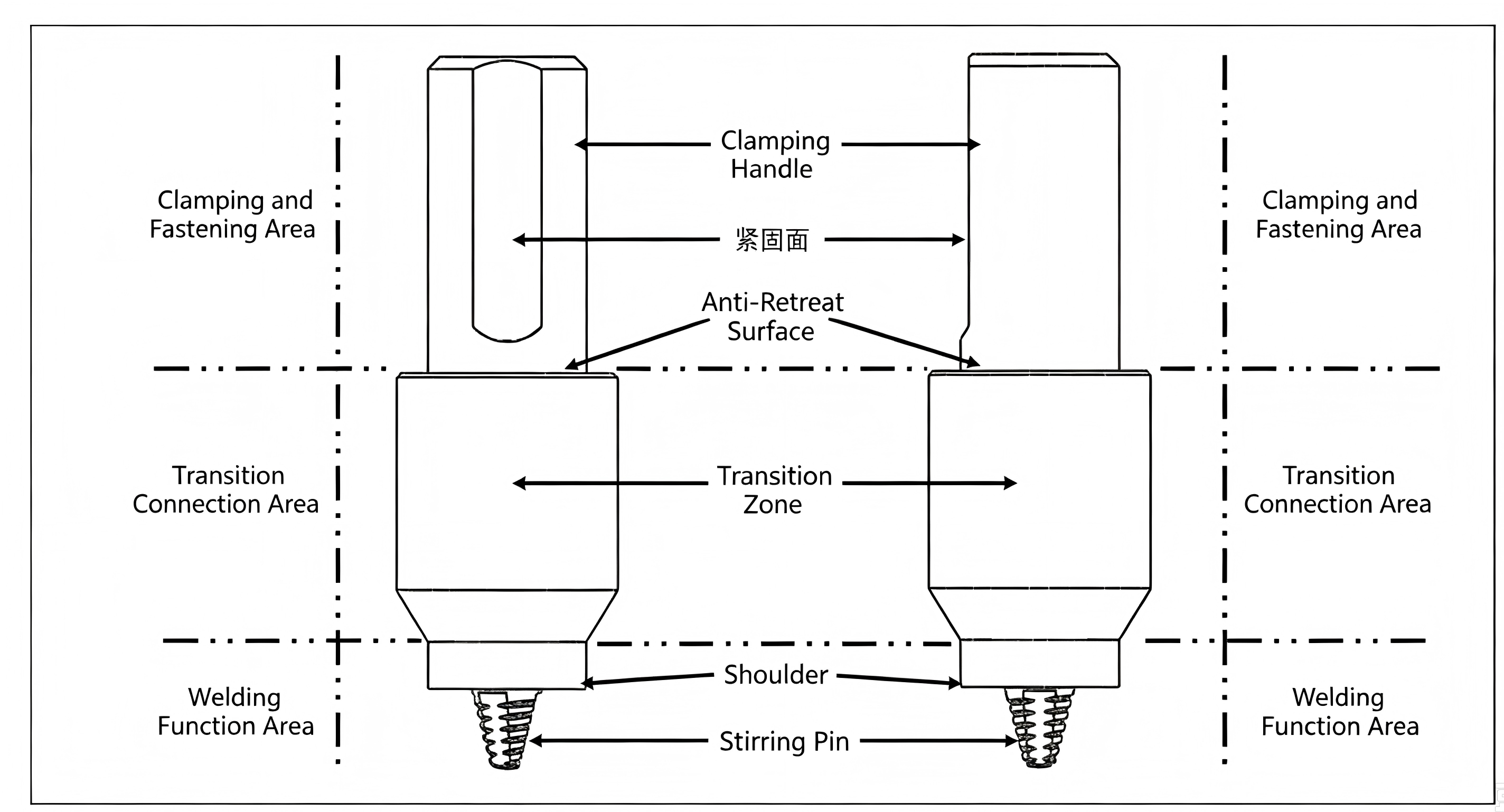
The FSW Tool Structure
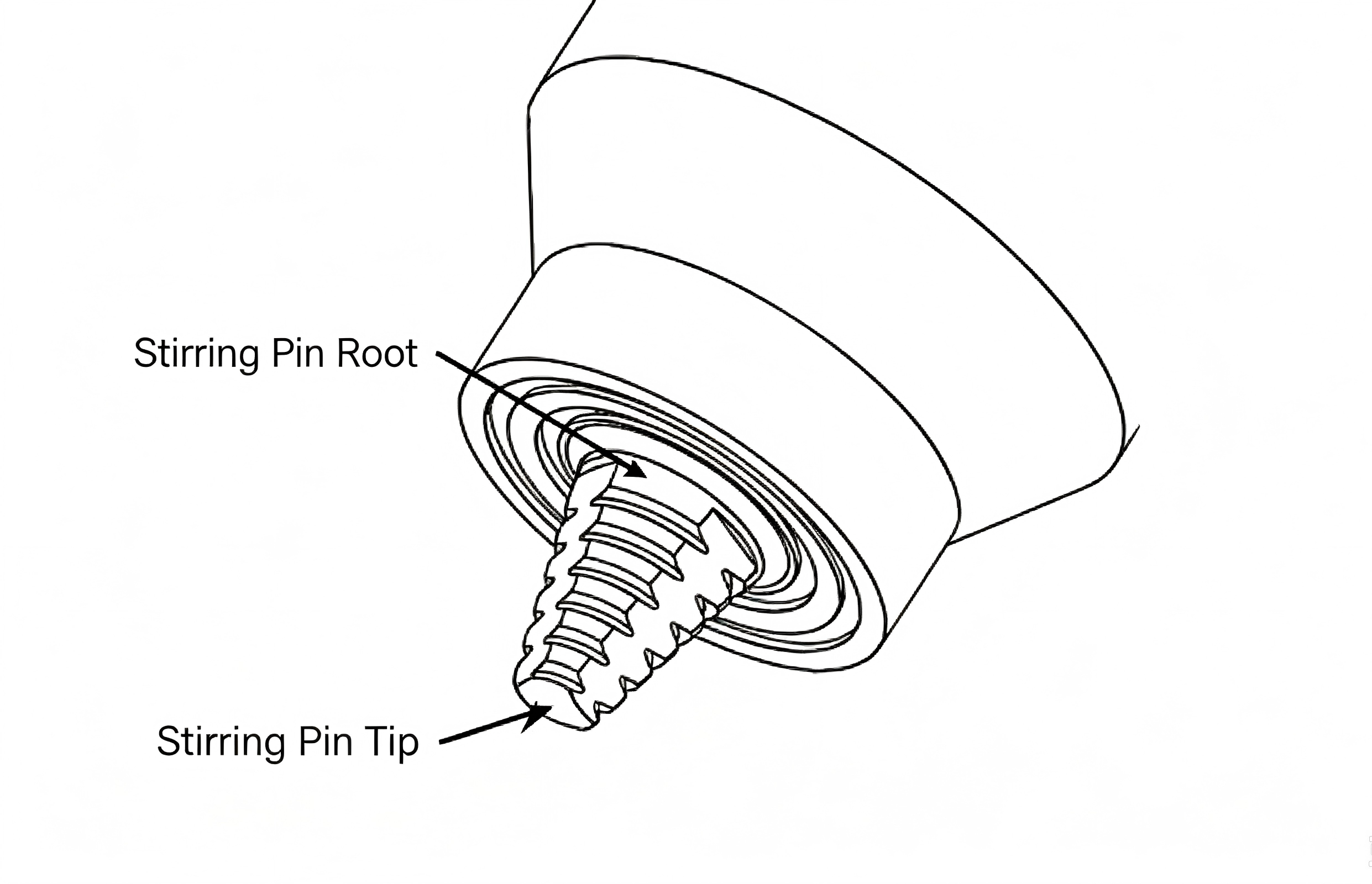
The FSW Tool Pin Structure
How Does an FSW Tool Work?
The welding process begins when the rotating tool is plunged into the joint line between two workpieces.
As the tool rotates at high speed:
- The pin generates friction and plastic deformation inside the material.
- The shoulder creates additional frictional heat on the surface.
- The combined heat softens the material until it reaches a highly plastic state without melting.
As the tool travels along the weld seam, the softened material is continuously stirred, transported, and forged behind the tool. The shoulder applies forging pressure that consolidates the plasticized material into a dense, defect-free solid-state weld.
This unique material flow mechanism is what gives Friction Stir Welding its outstanding mechanical properties and excellent weld quality.
Selecting the Right Material for an FSW Tool
Because the FSW tool is exposed to severe operating conditions, it must withstand:
- High temperatures
- Intense friction and abrasive wear
- Heavy axial and torsional loads
- Repeated thermal cycling
Therefore, an ideal tool material should possess:
- Excellent high-temperature strength
- High hardness
- Outstanding wear resistance
- Good toughness
- Superior thermal fatigue resistance
FSW Tool Materials
Materials:H13 Tool Steel
Maximum Service Temperature:~500°C
Typical Applications:6xxx aluminum alloys, Die-cast aluminum
Advantages:Low cost, easy machining, good toughness, excellent thermal fatigue resistance
Disadvantages: Rapid hardness loss at elevated temperatures; not suitable for high-strength aluminum alloys
Materials:WC-Co
Maximum Service Temperature:650–800°C
Typical Applications:Copper alloys, Stainless Steel, High-strength aluminum
Advantages:Outstanding hardness and wear resistance
Disadvantages: Brittle, difficult to machine, susceptible to chipping
Materials:Nickel-Based alloys
Maximum Service Temperature:Up to ~800°C
Typical Applications:Copper alloys, Stainless Steel, Titanium alloys
Advantages:Excellent creep resistance, corrosion resistance, and toughness
Disadvantages: Higher manufacturing cost
Materials:Tungsten Alloys
Maximum Service Temperature:800–1000°C
Typical Applications:Copper, Stainless Steel, Titanium alloys
Advantages:Exceptional hot strength and thermal conductivity
Disadvantages: Expensive, brittle, extremely difficult to machine
Materials:PCBN
Maximum Service Temperature:800–1200°C
Typical Applications:Stainless Steel, Titanium alloys, Copper alloys
Advantages:Ultra-high hardness, superior wear resistance, excellent thermal stability
Disadvantages: Extremely expensive and difficult to manufacture into complex geometries
Anatomy of an FSW Tool
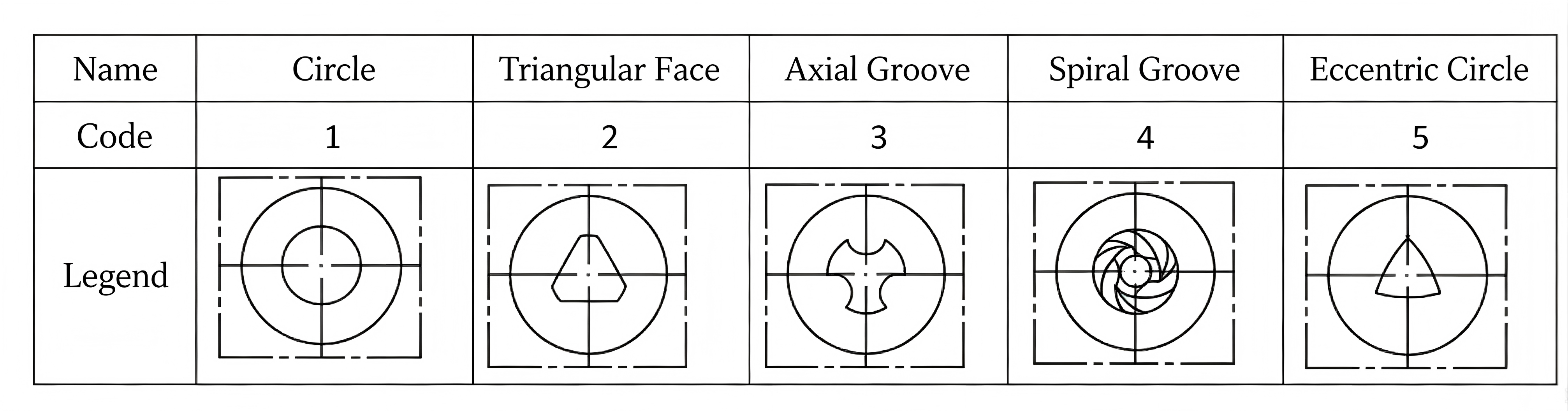
An FSW tool mainly consists of two functional regions: the Pin and the Shoulder.
The Pin
The Pin penetrates into the workpiece and is responsible for generating internal frictional heat and controlling the plastic flow of material.
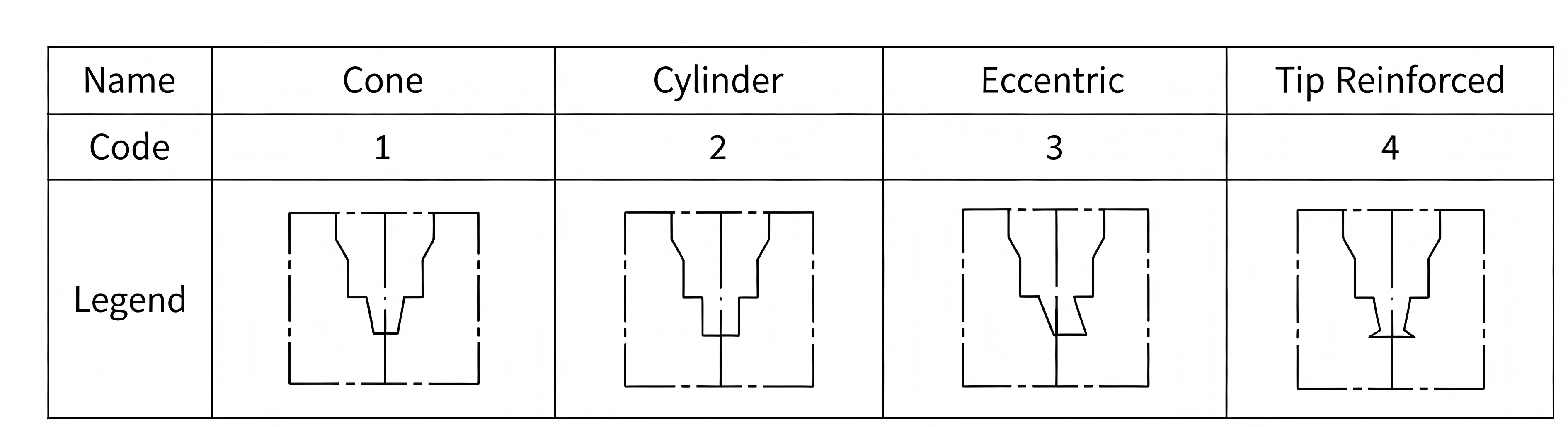
The Pin Design Structure
The Shoulder
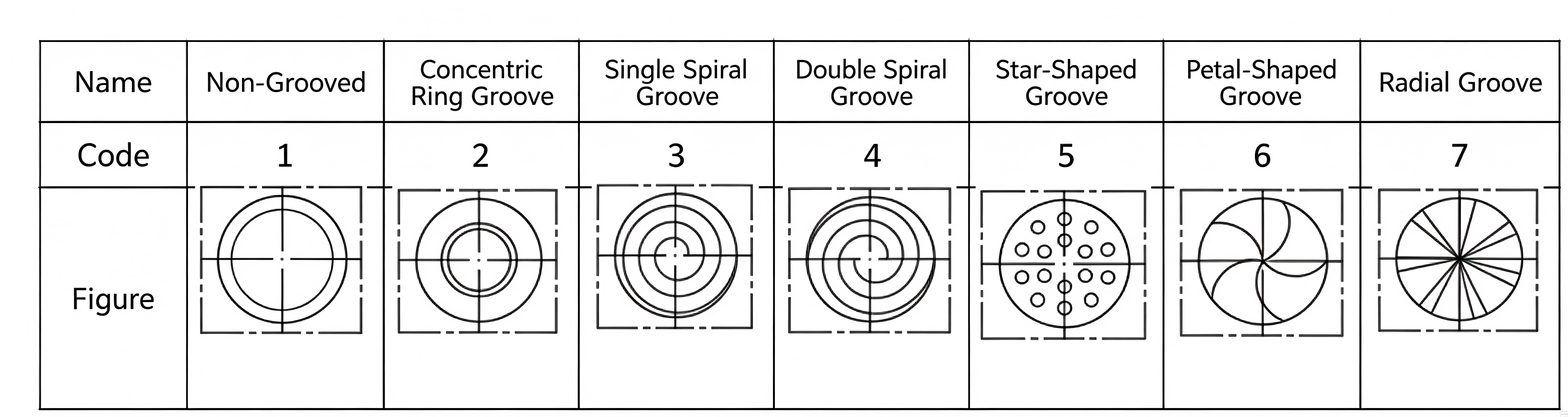
The shoulder is responsible for most of the heat generation during welding. The geometry of the shoulder significantly affects heat input, flash formation, and final weld appearance.
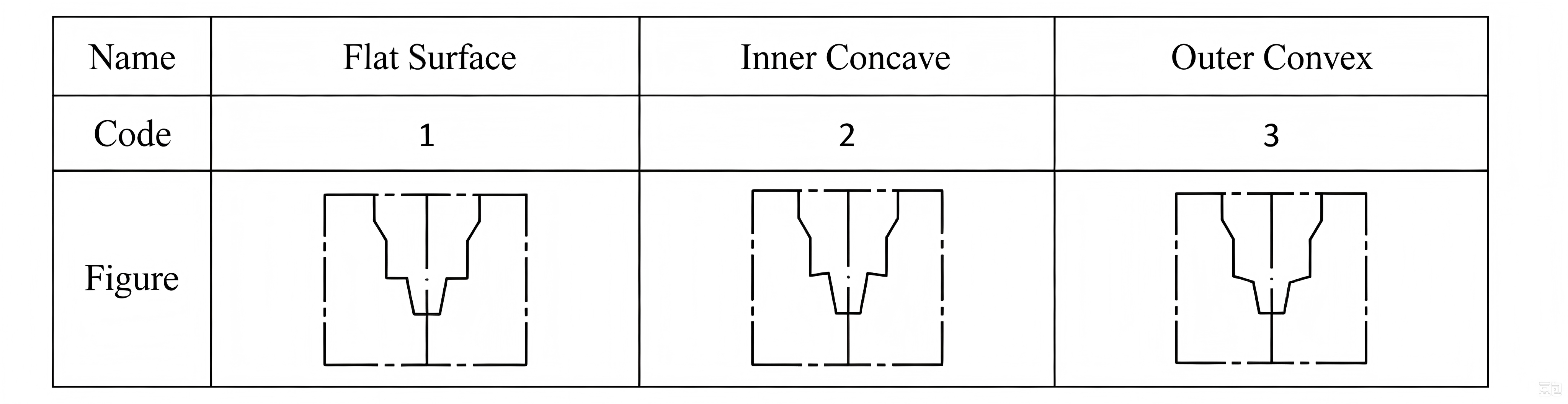
The Shoulder Design Structure
Friction Stir Welding Tool FAQS
Q: what is the tool structure for regular aluminum alloy butt welding (1–10 mm)?
A:Tapered threaded pin is the first choice. It delivers optimal comprehensive performance and long service life.
Q: How to select a friction stir welding tool for thick plate welding (welding thickness >12 mm)?
A: A three-groove tapered threaded pin is preferred. It improves vertical material flow to prevent root lack-of-penetration defects and tunnel defects.
Q: Which friction stir welding tool is suitable for lap welding of liquid cold plates?
A: Step forward-reverse threaded pin or tapered threaded pin is recommended to boost interlayer material mixing.
Q: What friction stir welding pin should be used for thin plate welding?
A: Triangular or quadrilateral pin. It generates low heat input, minimizes flash, and achieves excellent weld appearance.
Q: How to choose a friction stir welding tool for dissimilar material welding?
A: Grooved threaded pin, which enhances mechanical intermixing of different materials.