Thermal management is one of the most critical challenges in modern electronics—from electric vehicle (EV) battery packs to AI data centers. As power densities rise, traditional air cooling reaches its physical limits, making liquid cooling plates (cold plates) the industry standard.
However, a liquid cold plate is only as reliable as its seal. A single coolant leak can destroy thousands of dollars in high-performance electronics. This is where Friction Stir Welding (FSW) comes in—a solid-state joining technology that provides high-strength, leak-proof, and thermally efficient welds for aluminum cold plates.
Below is a complete breakdown of what Friction Stir Welding is, how it works, its core advantages, and why it has become the gold standard for liquid cold plate manufacturing.
What is Friction Stir Welding (FSW)?
Friction Stir Welding is a solid-state metal joining process originally invented in 1991 by The Welding Institute (TWI).Unlike conventional welding methods (such as TIG, MIG, or laser welding) that melt metals to fuse them together, FSW joins metals without melting them.
How Does FSW Work? The Core Principle
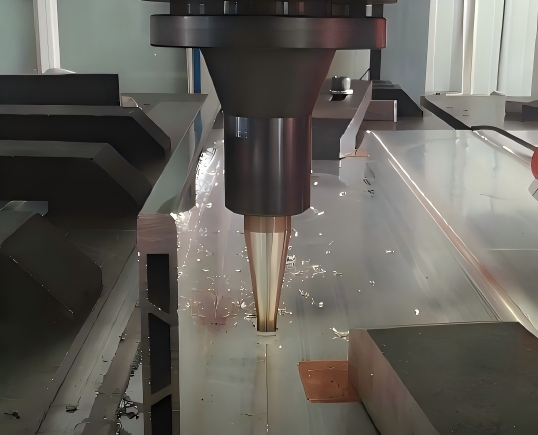
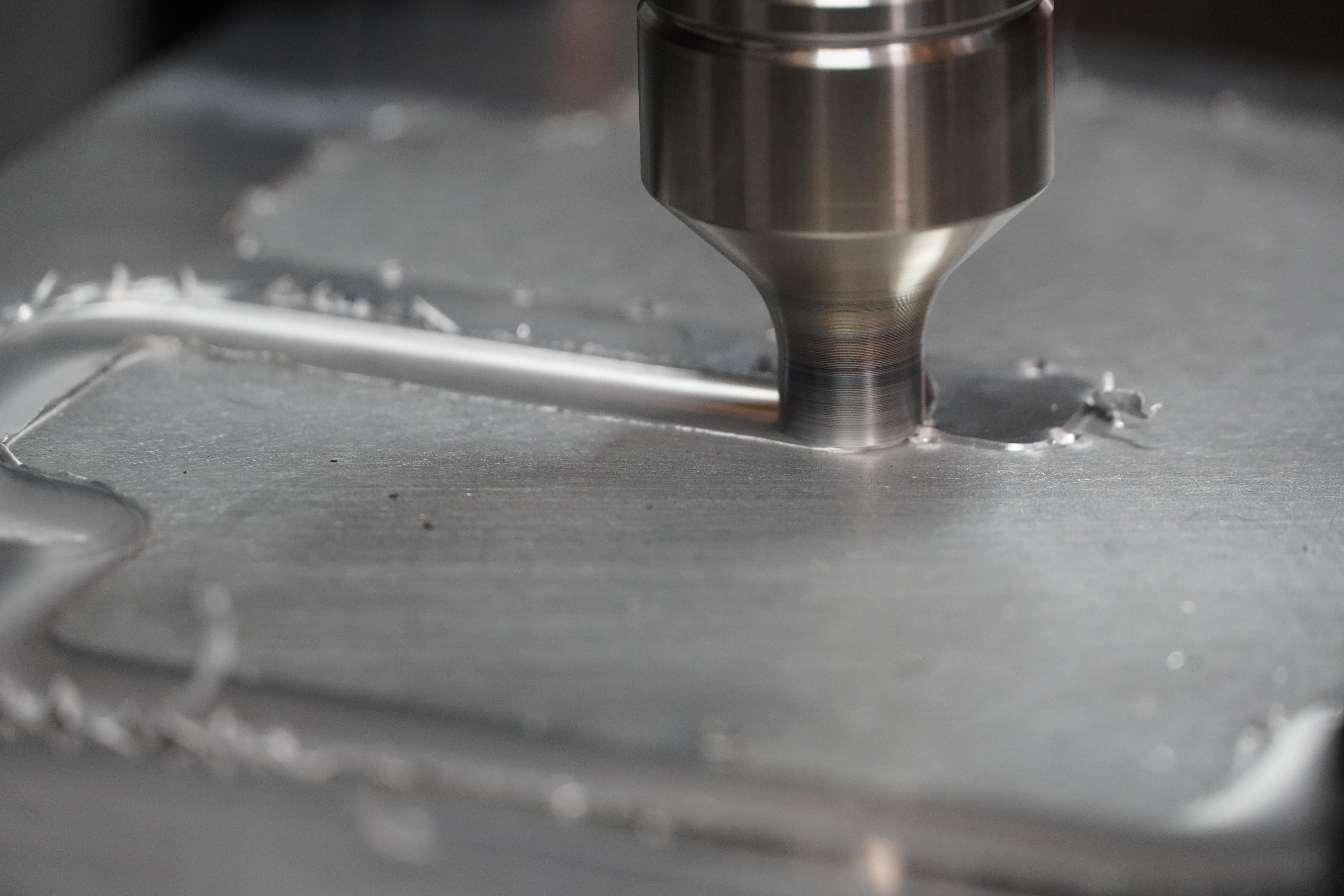
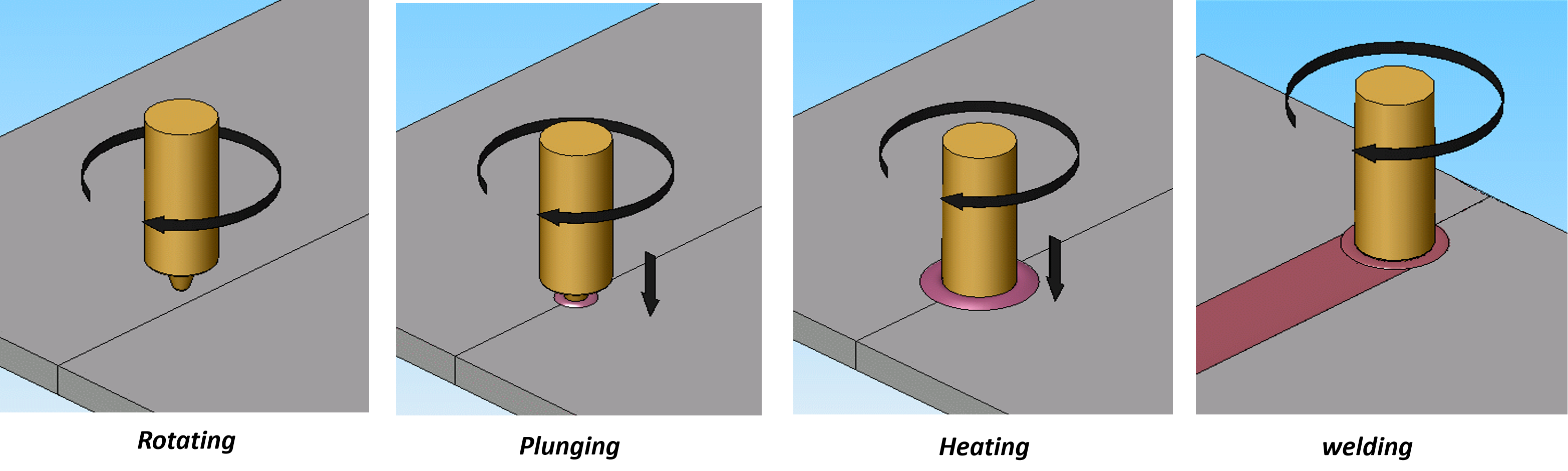
Friction stir welding (FSW) is a solid-state joining process that uses a tool to join two facing workpieces without melting the workpiece material. Heat is generated by friction between the rotating tool and the workpiece material, which leads to a softened region near the FSW tool. While the tool is traversed along the joint line, it mechanically intermixes the two pieces of metal, and forges the hot and softened metal by the mechanical pressure, which is applied by the tool. FSW avoids common fusion welding defects like cracking, porosity, thermal distortion, and weak heat-affected zones.
Key Advantages of Friction Stir Welding
FSW offers distinct advantages over traditional fusion welding, especially when working with lightweight metals like aluminum alloys:
1. 100% Hermetic & Leak-Proof Seals: FSW creates a dense, non-porous weld structure. There are no blowholes or micro-cracks through which liquid coolants can seep.
2. Superior Mechanical Strength: Because the metal remains solid, the welded joint retains roughly 80% to 90% of the parent material's original structural strength.
3. Zero Distortion: Low heat input means minimal thermal stress, keeping thin-walled aluminum plates flat and dimensionally accurate without warping.
4. High Thermal Conductivity: Eliminating filler metals or flux keeps the thermal path homogenous, ensuring uninterrupted heat transfer across the joint.
5. Eco-Friendly & Clean: FSW requires no gas, flux, or filler rods, generating zero toxic fumes, spatter, or UV radiation.
Why Friction Stir Welding is Essential for Cold Plate Manufacturing?
A typical liquid cooling plate consists of a base plate with complex internal fluid channels (machined, stamped, or extruded) covered by a flat top lid. Sealing this lid securely over the channels is where traditional welding methods frequently fail.
| Challenge in Cold Plate Manufacturing | How Friction Stir Welding Solves It |
|---|---|
| Coolant Leakage Risk | FSW creates a continuous, high-integrity solid-state seal around the entire channel perimeter. |
| Thermal Resistance | FSW joins aluminum directly to aluminum without interfacial layers, maximizing heat dissipation. |
| Flatness Loss | Low processing temperatures ensure the cold plate surface stays flat for optimal contact with chips. |
| Material Compatibility | FSW easily welds hard-to-weld aluminum series (such as 2xxx, 6xxx, and 7xxx) without thermal cracking. |
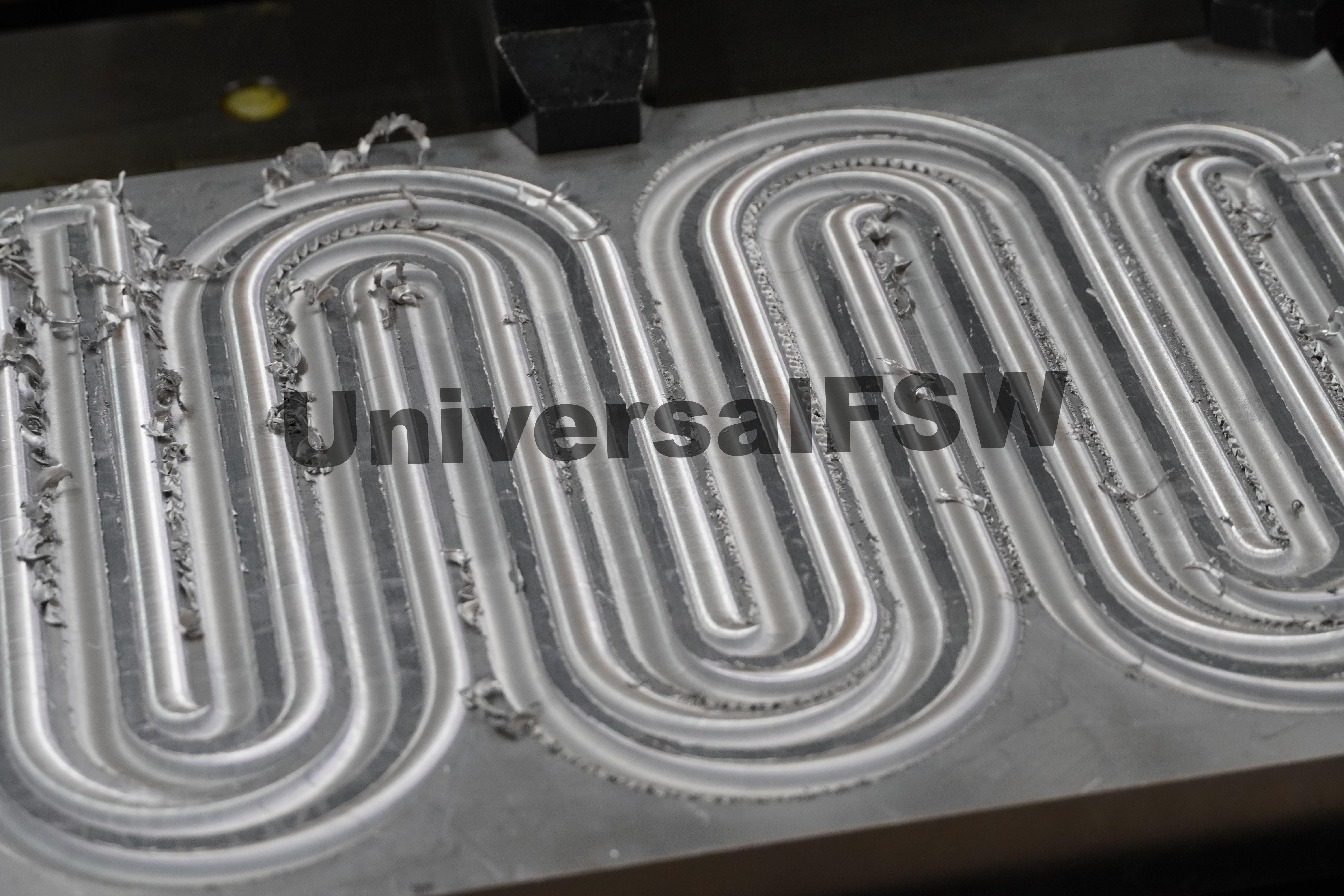
Key Industry Applications of FSW Liquid Cold Plates
As power electronics push higher performance limits, FSW liquid cold plates are widely adopted across high-growth industries:
1. Electric Vehicles (EVs)
In electric mobility, liquid cold plates cool battery modules, power inverters, and fast-charging onboard chargers. FSW ensures lightweight construction, structural rigidity, and long-term leak resistance against road vibrations.
2. AI Servers & High-Performance Computing (HPC)
Modern GPUs and AI accelerators generate immense heat within dense server racks. FSW-welded micro-channel cold plates deliver the high heat flux capability required for direct-to-chip liquid cooling in data centers.
3. Renewable Energy & Power Electronics
Solar inverters, wind turbine converters, and high-voltage energy storage systems rely on FSW liquid cold plates to maintain stable operating temperatures and prevent thermal throttling.
4. Aerospace & Defense
Weight efficiency and structural integrity are non-negotiable in aerospace avionics and radar cooling systems. FSW allows engineers to design ultralight, high-pressure cold plates that withstand extreme operational stress.
Friction Stir Welding has evolved from an advanced aerospace joining technique into a mass-production necessity for thermal management. By combining solid-state joint reliability, zero-leak performance, and superior thermal conductivity, UniversalFSW enables manufacturers to build lighter, safer, and more efficient liquid cooling solutions.